Pontypool and Blaenavon Railway
Blaenavon's Heritage Railway - A family day out, whatever the weather!

|

|

|

|

|
Blaenavon’s “Natural” Heritage Railway
By KRIS ROBERTS - Torfaen Council Ecologist
‘Railway lineside’ describes the vegetated lands adjacent to the operational railway, and includes railway embankments, cuttings, areas around stations and by junctions, and derelict sidings. The areas present on railway linesides offer a range of opportunities for wildlife and this is reflected in the fact that over 400 sites have been designated as Sites of Special Scientific interest (SSSIs) across Britain. In Blaenavon lineside habitats include heathland, grassland, ponds, streams, scrub, woodland, ruderal vegetation and bare ground, all of which have become colonised by wildlife species of importance for Wales.
Railway linesides provide many native species with an ideal means to spread colonise and disperse across large areas, acting as ‘green corridors’ for the movement of plants and animals where traditional routes for movement may not exist or are fragmented due to developments or other pressures.
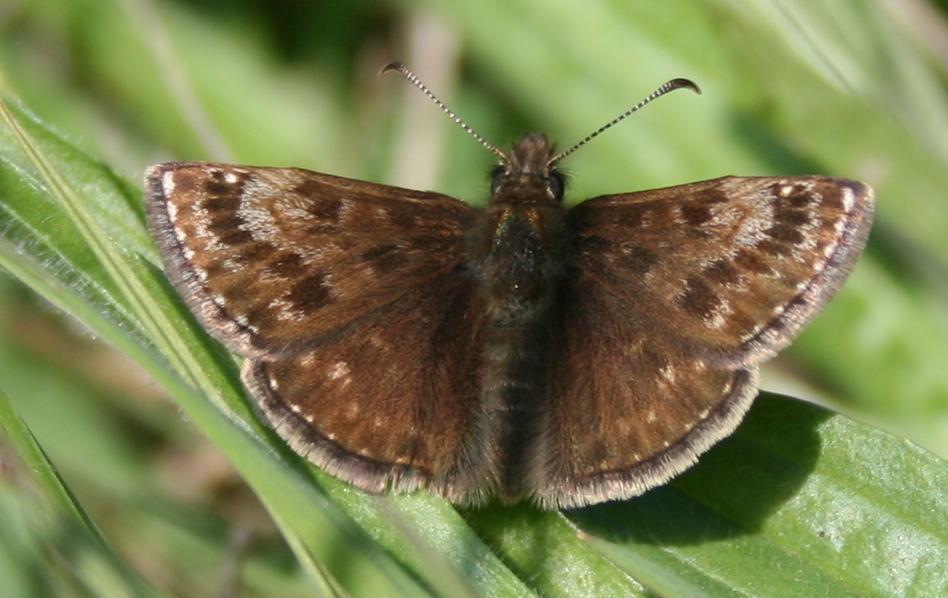
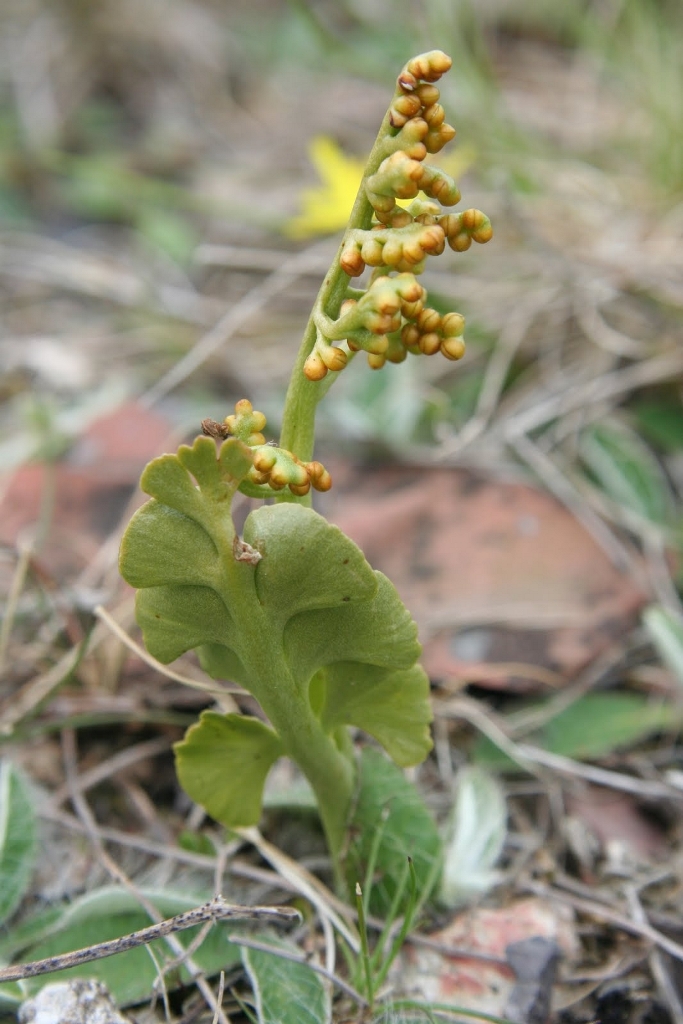
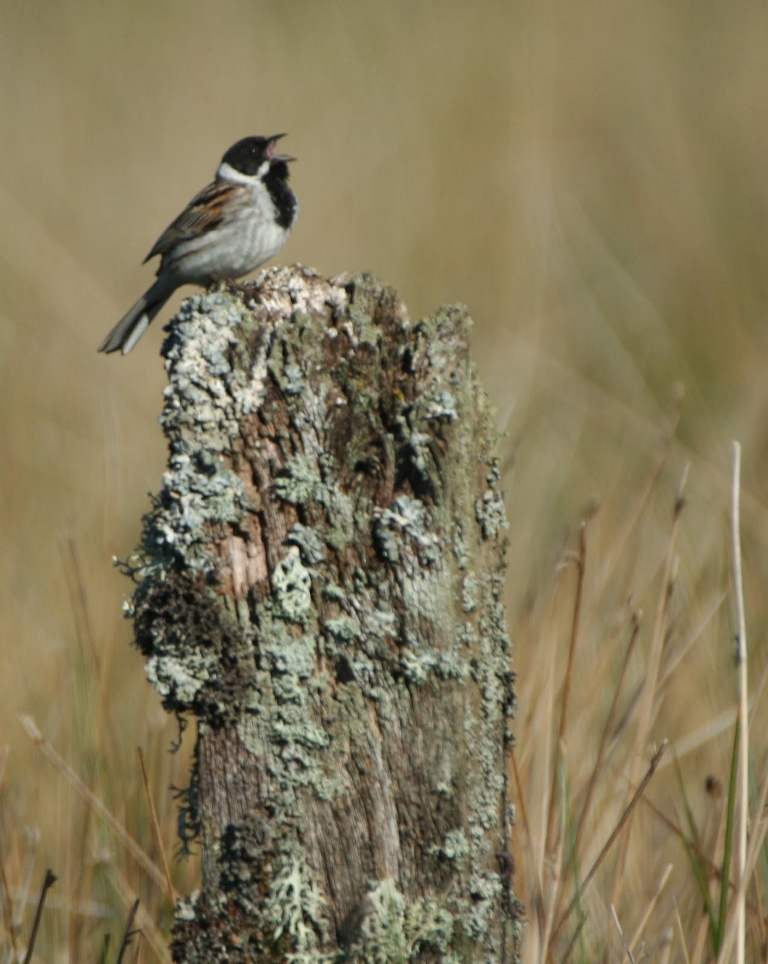
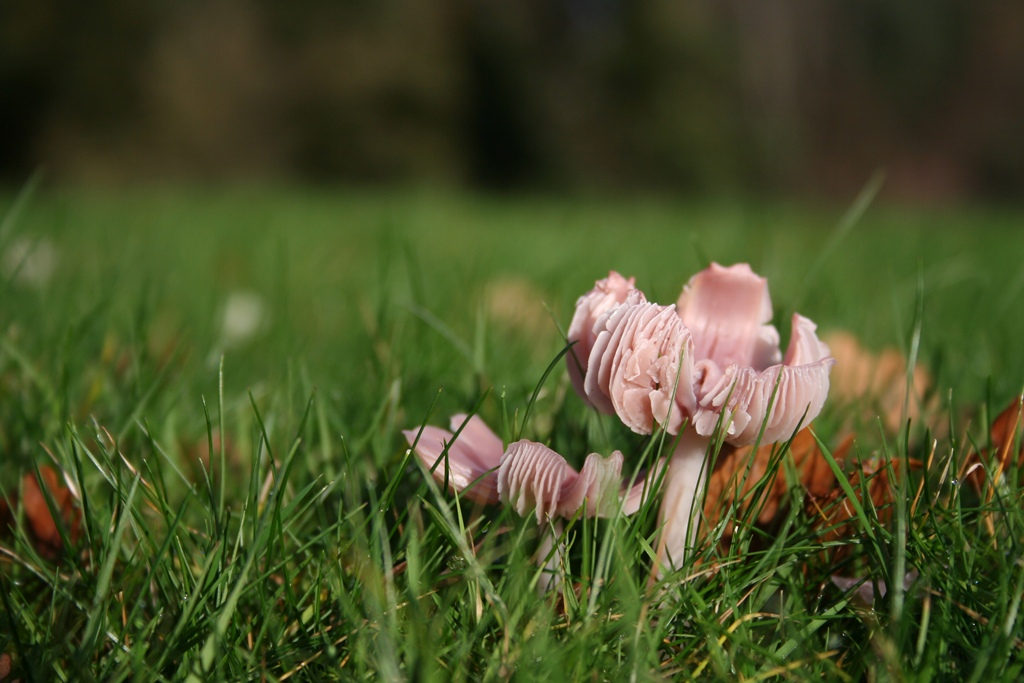
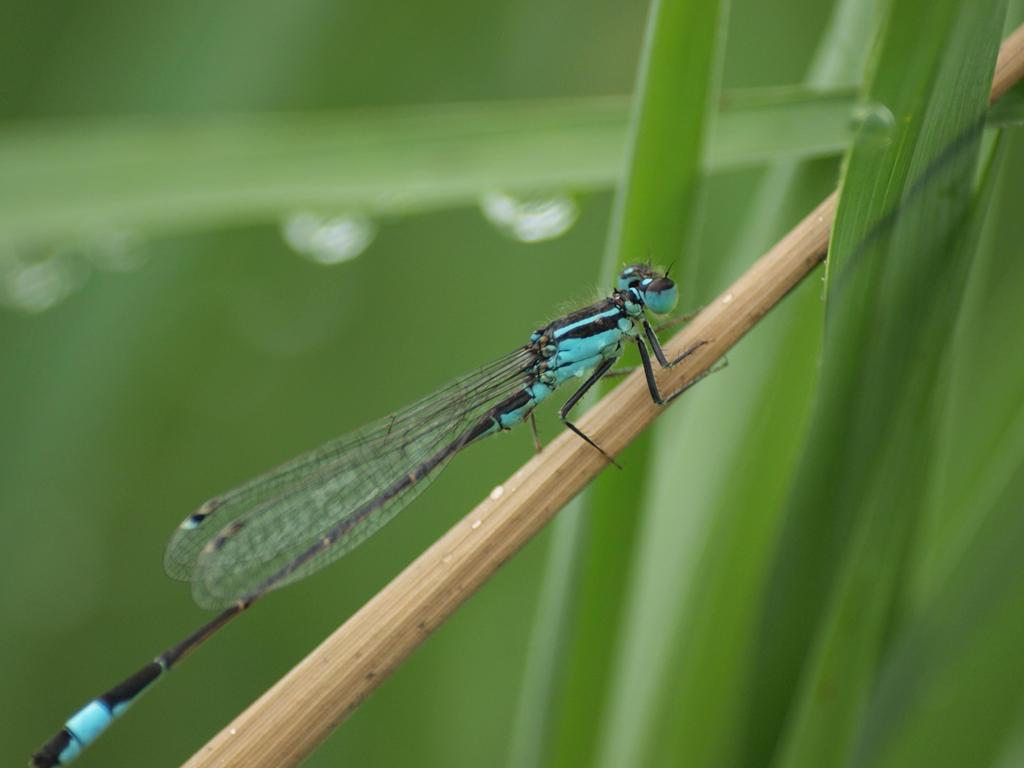
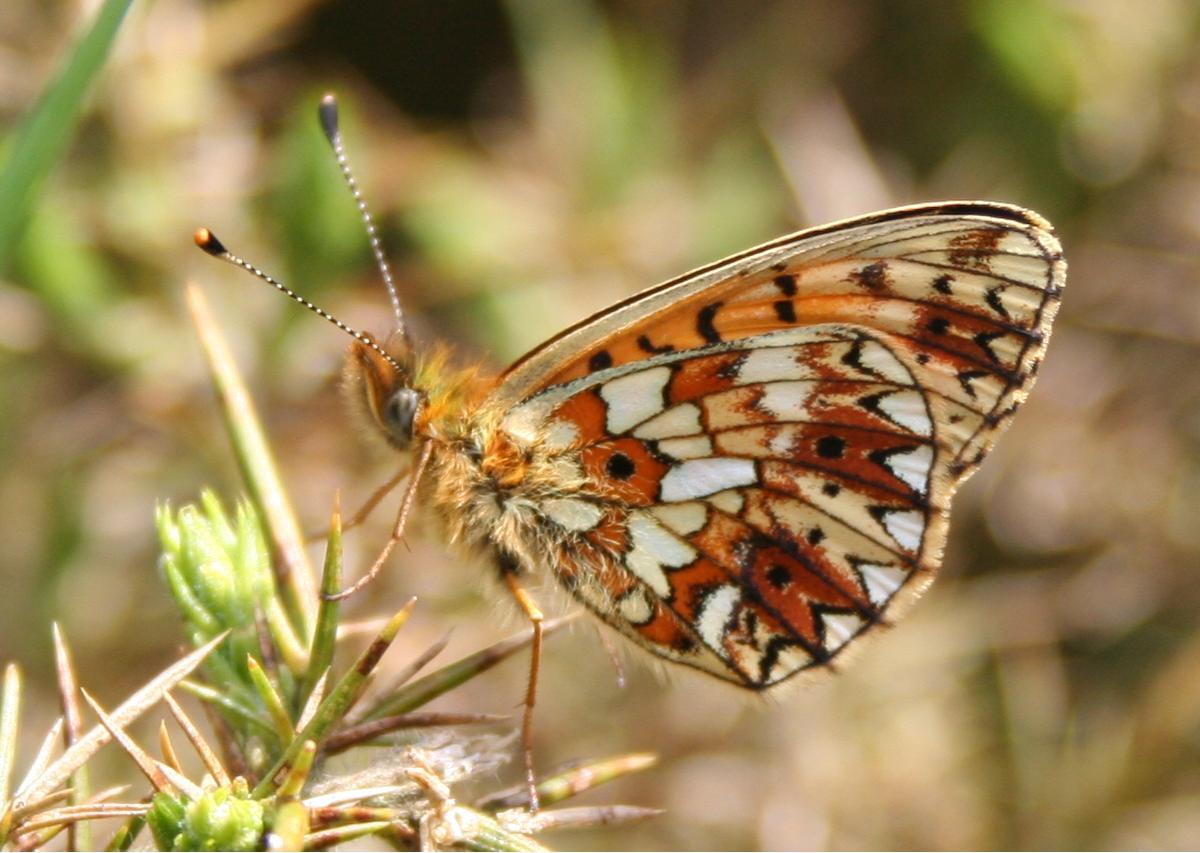
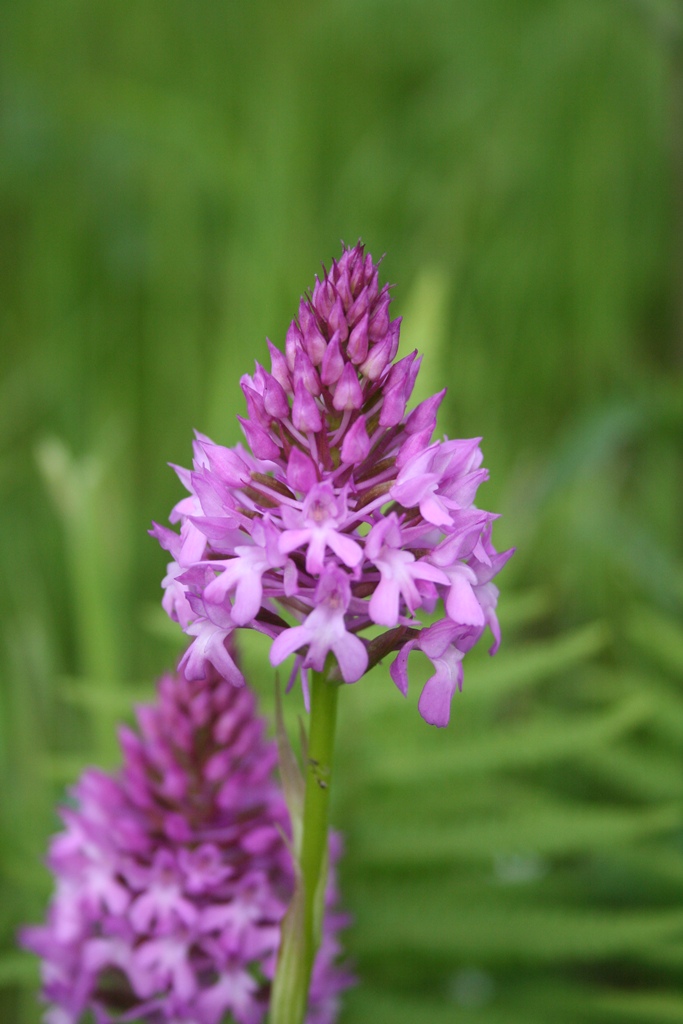
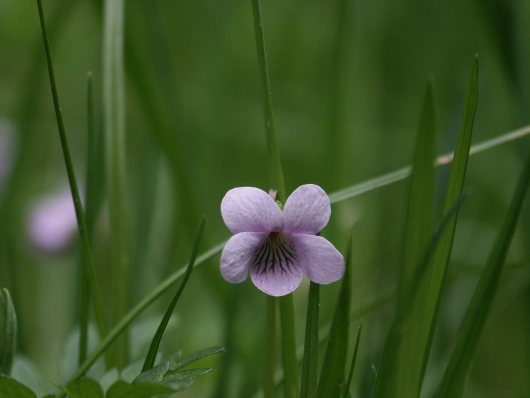
Example of species to be found at the Heritage Railway include: Pink meadow cap and other grassland fungi; Small pearl-bordered fritillary butterfly which feeds on marsh violet; Moonwort, a small fern; Scarce blue-tailed damselfly; Reed bunting, Dingy skipper butterfly and Pyramidal orchid.
Poor or inadequate management of railway linesides is a major factor in reducing their biodiversity value. Current lineside management is to meet operational and safety standards, for instance, prevention of trees growing too near tracks. It would be valuable to create a vision which balances this with protecting and enhancing the most important biodiversity features of the railway.
The green space which makes up the lineside is often referred to as a green corridor because it is an area rich in wildlife. This natural heritage is another asset that can be used and capitalised on to capture the interests of different visitor groups to increase the potential footfall and further the benefits to the local economy.
The green corridor concept could help shape a sustainable lineside project and aim to work with Torfaen County Borough Council’s Ecology Team in reducing the impact of engineering work on important habitats and species that live in the green corridor and help to manage it better to enhance it for the future.
For further examples of heritage railways which capitalise on biodiversity assets visit:
- http://www.cambrianrailways.com/html/railway_ecology.html
- http://www.lappavalley.co.uk/wildlife.htm
- http://www.wsr.org.uk/wildlife2008.htm
- http://www.wsvrailway.ie/wildlifealongthetrack.shtml
- http://www.bbc.co.uk/archive/steamtrains/7324.shtml
Torfaen Biodiversity Partnership are updating their website but for more information please see: http://www.webster.uk.net/Environment/TorfaenBiodiversityPartnership/Home.aspx
How can the heritage railway promote biodiversity to make it a more sustainable enterprise?
- Improve knowledge and understanding of the nature conservation interest and biodiversity value of lineside land within Blaenavon. Undertake a biodiversity audit to identify sites of existing biodiversity value, and areas with potential to increase biodiversity value.
- Promote good management of railway land in Blaenavon for the benefit of nature conservation and resident habitats and species. As part of this process a partnership with volunteers, operators and interest groups such as Torfaen Biodiversity Partnership could be introduced.
- Improve public and commercial awareness of wildlife in, and the biodiversity importance of, railway land in Blaenavon. A programme of talks, walks, information and training to volunteers, operators, Members, officers, schools, individuals and community organisations could be established and delivered.
|
|
|
|
|
|
|
|